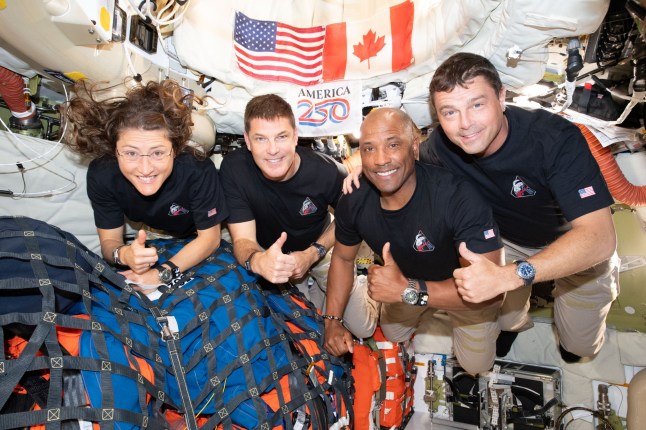
The historic mission revitalised a passion for space travel – what’s next? (Picture: Getty)
The crew of the Artemis II mission has completed a 10-day trip around the moon, travelling farther from the Earth than anyone else in history.
The group – made up of three Nasa astronauts and one from the Canadian Space Agency – landed back on Earth yesterday,splashing down in the Pacific Ocean off the California coast overnight.
The historic mission has revitalised passion for space travel in a new generation and has everyone asking two big questions: what did it achieve,and what’s next?
Here’s all you need to know about Artemis II and upcoming missions.
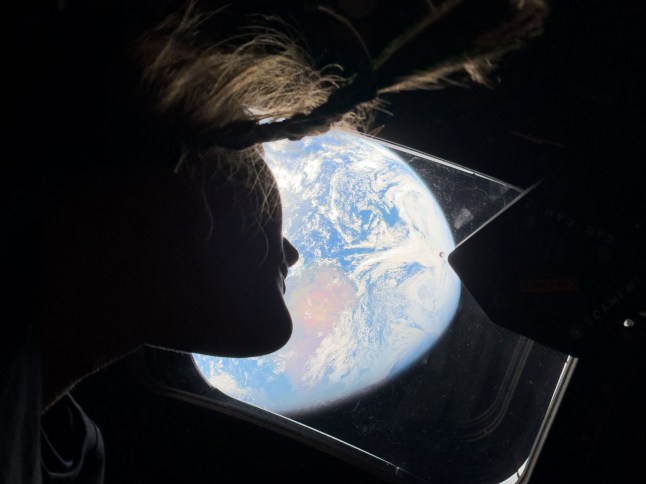
Christina Koch’s braids floating in space went viral (Picture: AFP)
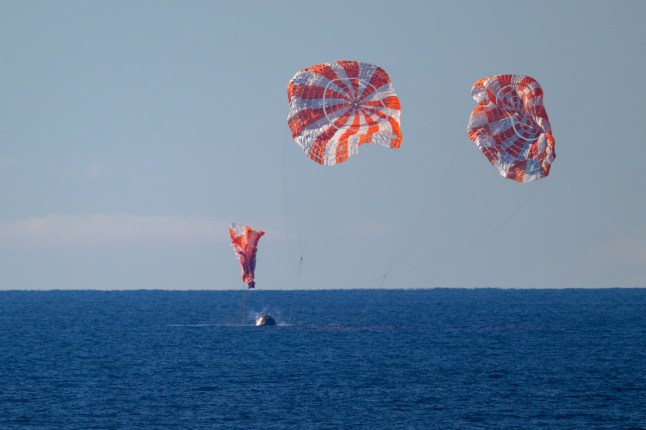 The spacecraft splashed down in the Pacific Ocean (Picture: Getty)Rather than being focused on discovery,Artemis was focused on record-breaking.The four astronauts are the first humans to go beyond Earth’s orbit since 1972 in their historic lunar flyby.It’s also the first time humans flew in an Orion spacecraft,which was built by Lockheed Martin,a US defence and aerospace manufacturer,and was christened Integrity by the crew for this mission.‘The Orion spacecraft is about the size of a small minivan,and there are four of them,and they can’t get out of 10 days,so it’s very cramped,’ Libby Jackson,who worked in Mission Control for a module on the International Space Station,tells Metro.But the spacecraft featured new life-support systems and advanced technology for those onboard.The astronauts also named a few craters on the moon and were the first to see parts of the dark side of the moon never before seen by humans.The crew named two craters on the dark side of the moon after their ship,Integrity,and Commander Reid Weisman’s wife,Carroll,who sadly passed away before the mission.‘We lost a loved one,her name was Carroll she was a mother of Katie and Ellie. It’s a bright spot on the moon. We would like to call it Carroll.’‘Integrity and Carroll crater. Loud and clear’,comes the message back from Nasa.